Running clean
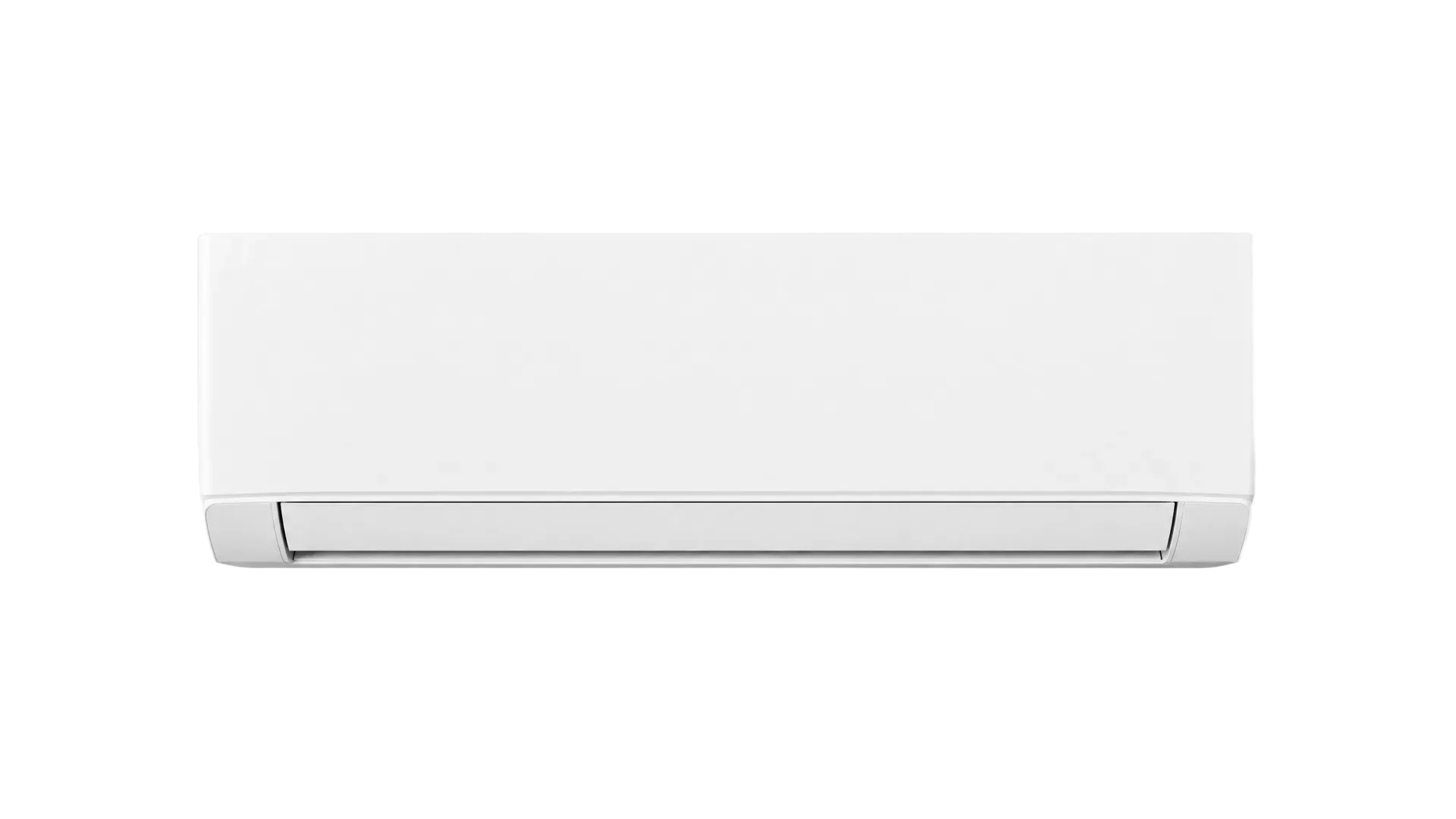
A mini split that starts on command looks like this. The coil stays clear, air moves through the vents without resistance, and the unit answers the remote the first time you press it, even on the coldest nights.
A cold snap comes through and the house needs heat, but the mini split on the wall stays dead. No fan, no light, nothing when you hit the remote. With most homes in Mississippi running on electric heat, a mini split that won't start on a cold morning means someone in the house is about to get cold, and you want to know whether this is something simple or something that needs a technician out that day.
Mini splits move heat from the outdoor air into the house, and the outdoor unit does most of the work. When temperatures drop into the 30s or lower, frost can build up on the outdoor coil faster than the system can clear it, and some units will shut down rather than run through it. Other times the problem isn't the cold itself but something it exposed: a weak run capacitor, a stuck defrost sensor, or a breaker that trips when the compressor tries to start under load. Mississippi winters don't stay cold for long, but the swings between mild days and hard freezes are exactly what strains a mini split that's already got a failing part, so a system that's limped along in fall often quits the first real cold night.

It's the middle of a July afternoon and you're at the desk in the home office, trying to get work done before the kids are home. You feel it before you see it, a damp patch on the carpet under the mini split. Then you look up and there's a dark streak running down the wall, water beading under the indoor unit and dripping steady enough that you've already gone for a towel. The unit's still blowing cold air, so it hasn't shut off, but the wall behind it is soaked and the drywall is starting to stain. You lay the towel down, move the desk chair out of the way, and stand there watching the drip, trying to figure out how long this has been going on.

A mini split heats by moving refrigerant through an outdoor compressor and an indoor coil, not by burning anything. Below a certain outdoor temperature, most systems switch on a small heater called a crankcase heater hours before the compressor is even asked to run, just to keep oil in the compressor warm enough to circulate. If that heater has failed, or the defrost board that times it has failed, the compressor can lock out rather than risk running on cold oil. That's often why the unit looks completely dead instead of running poorly.
The other common cause is ice. When outdoor temperatures sit near freezing with any humidity in the air, the outdoor coil can frost over, and the system is supposed to pause and run a defrost cycle to clear it. A control board that misreads the outdoor sensor can skip that step or get stuck in it, and the indoor head just sits there with no fan and no light. Someone who services mini splits through Mississippi winters every year has seen both failures often enough to check them first, rather than guessing. Getting matched with a contractor who already knows this equipment means the first call is the one that finds it.


When frost builds on the outdoor coil, the system reverses itself for a few minutes to melt it off before going back to heating. That's normal in Mississippi winters when nights drop near freezing. But if the outdoor fan motor is weak or the coil sensor is reading wrong, the unit can get stuck in defrost or shut down rather than switch back. From inside, it looks the same as a dead unit. The remote gets no response, and the fan outside never restarts.

Most mini splits pull power through a dedicated circuit, separate from the rest of the house. If that breaker has tripped, the indoor head and the outdoor unit both go dark at once, which matches what a lot of homeowners see first. A breaker that trips once in cold weather and resets fine can be a fluke. One that trips again within a day or two usually points to a short in the outdoor unit's wiring or a compressor drawing more current than it should on startup.


Your request goes to one pro, not a list of companies.
Say what's going on with your mini split, and a pro who works on them reaches out.
Sending the form costs nothing.
You've turned the remote on and off a few times now. The wall unit stays quiet, no fan noise, no light on the display, and the room is holding whatever temperature it was at before the cold snap came through. Maybe you've gone around checking if a breaker tripped, or you're listening for a click that never comes. Meanwhile the thermometer keeps dropping and the people in the house are reaching for blankets instead of feeling the air change. If this stretches into the next day without power to that unit, the room it heats stays as cold as it is outside, and anyone who needs that room warm, a kid's bedroom, a parent sleeping late, is stuck relying on space heaters or closed doors to get by.






A mini split protects its own compressor. The outdoor unit has a control board wired to a temperature sensor on the coil, and that board decides whether it's safe to start. Drop below the point it's set for and the board locks the compressor out rather than risk running it cold. That's by design. The trouble starts when the board is reading the wrong number. A failed sensor can report a temperature well below what's actually outside, and the lockout holds even on a mild January morning in Mississippi. Some systems add a low ambient kit, a small heater strapped to the base of the compressor that warms it before a cold start. If that heater's connection corrodes or the heater itself fails, the board sees the same risk and refuses to start the compressor at all. None of this is visible from the wall unit. The indoor and outdoor units communicate over a signal wire, and if that wire has worked loose or corroded at the connector, the indoor unit gets no response and shows the same blank display as a true lockout. The board usually knows more than it's showing. Most store a fault code that blinks out through the indoor display, a pattern of flashes a contractor can read like a sentence once they see it. A slow refrigerant leak can trigger the same lockout logic by lowering the pressure the board uses to judge temperature.
At 14.03 cents per kilowatt-hour, running the backup strip heat inside your mini split costs real money fast, since that heater draws far more power than the compressor it's backing up. A unit stuck in lockout and leaning on strip heat will show up on your bill before the weather even breaks.
EIA-861 2025 statewide residential average

A mini split that starts on command looks like this. The coil stays clear, air moves through the vents without resistance, and the unit answers the remote the first time you press it, even on the coldest nights.

This much buildup on the housing usually means the filter and coil behind it are worse. A unit running dirty this long can trip a safety switch and refuse to start rather than push air through a clogged coil.



That same humidity is why Mississippi summers feel heavier than the thermometer lets on. Averaged across June, July and August, the dew point here runs 70°F, the figure NOAA uses to measure how much moisture is actually in the air. Your mini split works hardest in those months pulling that moisture out through the indoor coil, and all that condensate has to drain somewhere. A coil that's caked with dust or a drain line that's slow to clear won't show up as a problem until months later, in the cold, when the board that controls startup has already been sitting under that strain. Keeping the unit clean and draining right in summer is part of why it answers the remote in January.
NASA POWER T2MDEW county cells weighted by homes
A mini split that won't turn on in a cold snap usually comes down to one of a few things: a tripped breaker, a dead remote, a stuck sensor, or a board that's locked out the compressor and won't let it run. Some of that you can check tonight. The rest needs someone who opens the outdoor unit and tests it. A tech who works on these systems all winter in Mississippi has seen the sensor fail this way before and knows where to look first, instead of guessing through a list of parts. When you request service through this page, it goes to one licensed contractor local to you, not a handful of companies competing for the job, so you're not fielding five calls about the same broken mini split. You'll know who's coming, and they'll know what they're walking into before they knock. The house still needs heat tonight, and that part doesn't wait on a diagnosis.

Get the right pro for your mini split