
Why your mini split blows cold air in Mississippi
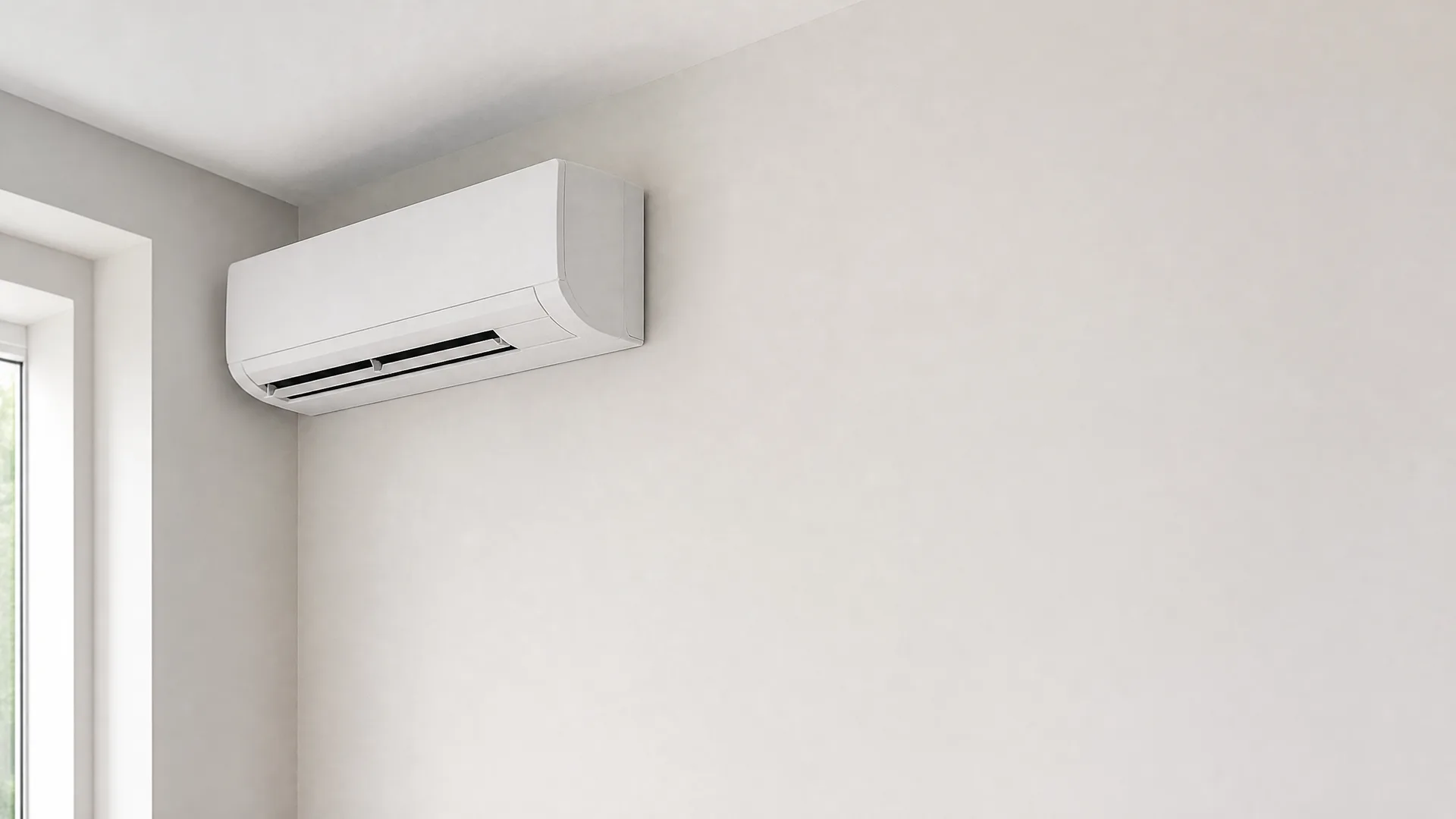
A mini split blowing cold air when it's set to heat usually comes down to the reversing valve, the part that switches the system between cooling and heating mode. If that valve sticks or fails, the unit keeps pulling cold refrigerant through the indoor coil no matter what the thermostat says. It can also mean the refrigerant charge has dropped, which leaves the heat pump unable to pull in enough warmth from outside air to heat the coil. A dirty outdoor coil or a failing defrost sensor can do the same thing, especially once temperatures drop and the system has to work harder to draw heat from the air. Since a lot of homes here heat with electricity and lean on this system all winter, a mini split stuck in cold mode means no backup warming the house. It's worth having someone look at it before the next cold snap rather than after.
How the reversing valve fails
The reversing valve switches direction using a small solenoid coil and a sliding spool inside the valve body. Over years of cycling between heat and cool, the spool can stick in one position, or the solenoid can weaken and stop pulling the spool over at all. When that happens, refrigerant keeps flowing the way it did last, even though the thermostat is asking for heat. The indoor coil stays cold instead of switching to hot.
Why electric heat homes notice it fast
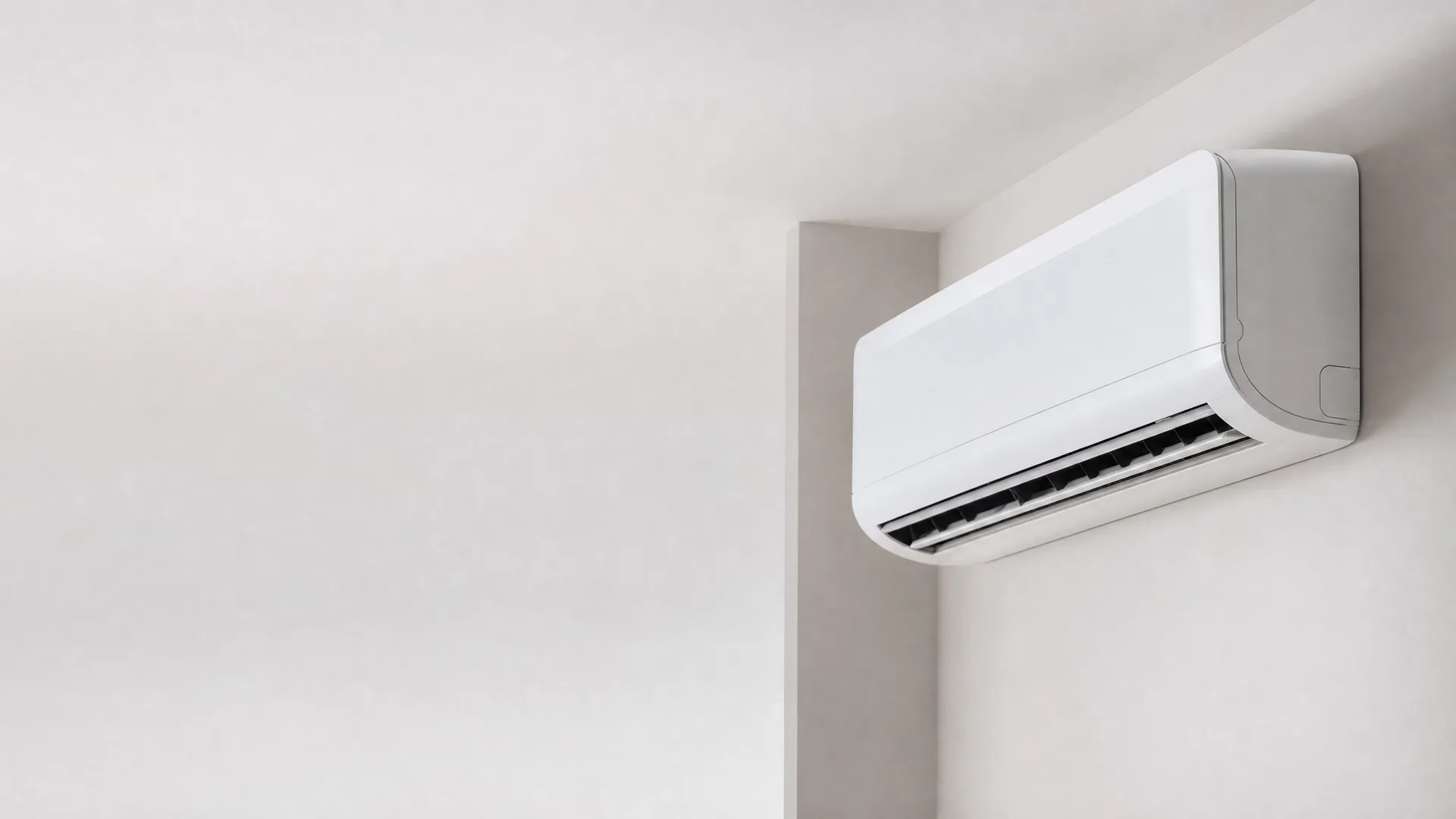
Most homes in Mississippi heat with electricity, so a mini split that won't switch out of cooling mode leaves you with no backup furnace to fall back on. You feel it the same day, not after a week of mild weather covering for it. A gas furnace homeowner might not notice a stuck valve for a while. Here, cold air from the vents on a cold morning is the first and only warning you get.
Why does my mini split blow cold air even when it's set to heat?
Why does my mini split blow cold air even when it's set to heat?
A stuck reversing valve, not the thermostat setting
The thermostat setting tells the system what you want. The reversing valve is what actually delivers it. When you switch to heat, the valve is supposed to redirect refrigerant so the outdoor coil absorbs heat and the indoor coil releases it. If the valve doesn't move, refrigerant keeps flowing the way it did in cooling mode, no matter what the display says. That's why the display can read "heat" and the air coming out still feels cold. Most homes in Mississippi heat with electricity, and a mini split stuck like this will run constantly trying to reach a temperature it can't, since the air it's pushing out is working against it.




Done looking for a mini split pro
A mini split that won't give up cold air in the middle of winter isn't a problem that fixes itself by resetting the thermostat or switching modes a few more times. If the reversing valve is stuck, it stays stuck until someone opens the system up and deals with it. Most homes around Mississippi run on electric heat, and a mini split stuck blowing cold means the room it serves has no real heat source while you sort this out. That's worth moving on quickly. The part most people dread isn't the repair, it's everything before it: searching for a contractor who actually works on mini splits, calling two or three, explaining the same symptoms each time, then waiting to see who calls back and comparing what they quote. Send the request here and that work is off your plate. One contractor gets it, and you go back to dealing with a cold room instead of a phone full of callbacks.

You're at your desk around three in the afternoon, working, and the mini split above the window is set to heat because it's one of those rare cold snaps that gets through Mississippi in January. The air coming off it feels wrong, cool against your arm instead of warm. Then you see the streak on the wall below the indoor unit, a dark line of water running down toward the baseboard. You go grab a towel from the bathroom and lay it on the floor under the unit. The line keeps feeding a small puddle at the edge of the towel. You stand there a minute, listening to the fan still running, blowing air that isn't warm.





You set the thermostat to heat mode.
The reversing valve solenoid should shift the valve's sliding spool.
A stuck spool keeps refrigerant flowing in the cooling direction.
The indoor coil keeps acting as an evaporator instead of a condenser.
Power costs 14.03 cents per kilowatt-hour statewide
Most Mississippi homes heat with electricity, so a mini split stuck blowing cold air doesn't just leave you cold, it runs up the bill while it fails to heat anything. At 14.03 cents per kilowatt-hour, that's power spent for nothing until the reversing valve gets fixed.
EIA-861 2025 statewide residential average


What to do about cold air in heat mode
- Cold air in heat mode on a mini split almost always traces back to a stuck or failing reversing valve, not the thermostat.
- The valve's solenoid and sliding spool wear with years of switching between heat and cool, and once stuck, they stay stuck.
- A mini split heating correctly puts out warm air within a few minutes; one that doesn't needs the valve opened up and checked.
- Running the unit on electric heat while it blows cold air adds to the bill without warming the room.
- A licensed contractor can confirm whether the reversing valve is the cause and replace it without you having to track one down yourself.
- Skipping the search for a contractor means no calling around, no repeating the problem to different companies, and no sorting through quotes.
A mini split blowing cold air in heat mode has one likely cause. The reversing valve that switches the system between heat and cool has stuck, usually because the solenoid or the sliding spool inside it has worn down after years of changing direction twice a day through Mississippi's mild winters and muggy summers. The thermostat is telling the unit to heat. The valve just isn't listening. No amount of resetting the thermostat or switching modes back and forth changes that, because the part itself has to be opened up and either freed or replaced. Left alone, the unit keeps running the indoor coil as if it were July, pulling in cold refrigerant while the electric heat strip or backup system tries to make up the difference, and the power meter keeps turning for a room that never warms up. A unit working correctly feels warm to the touch within a few minutes of kicking on. If yours doesn't, the valve is the place to look. You don't have to be the one to find out who can look at it. Instead of calling around to find a contractor who works on mini splits, explaining the cold air problem to each one, and weighing quotes against each other, you send one form and the search for help is done. What's left is the actual repair, which still takes a licensed contractor opening the system and dealing with the valve itself.





It's off your list after this
Answer a few questions instead of calling shop after shop.
You're not committing to anything by asking.