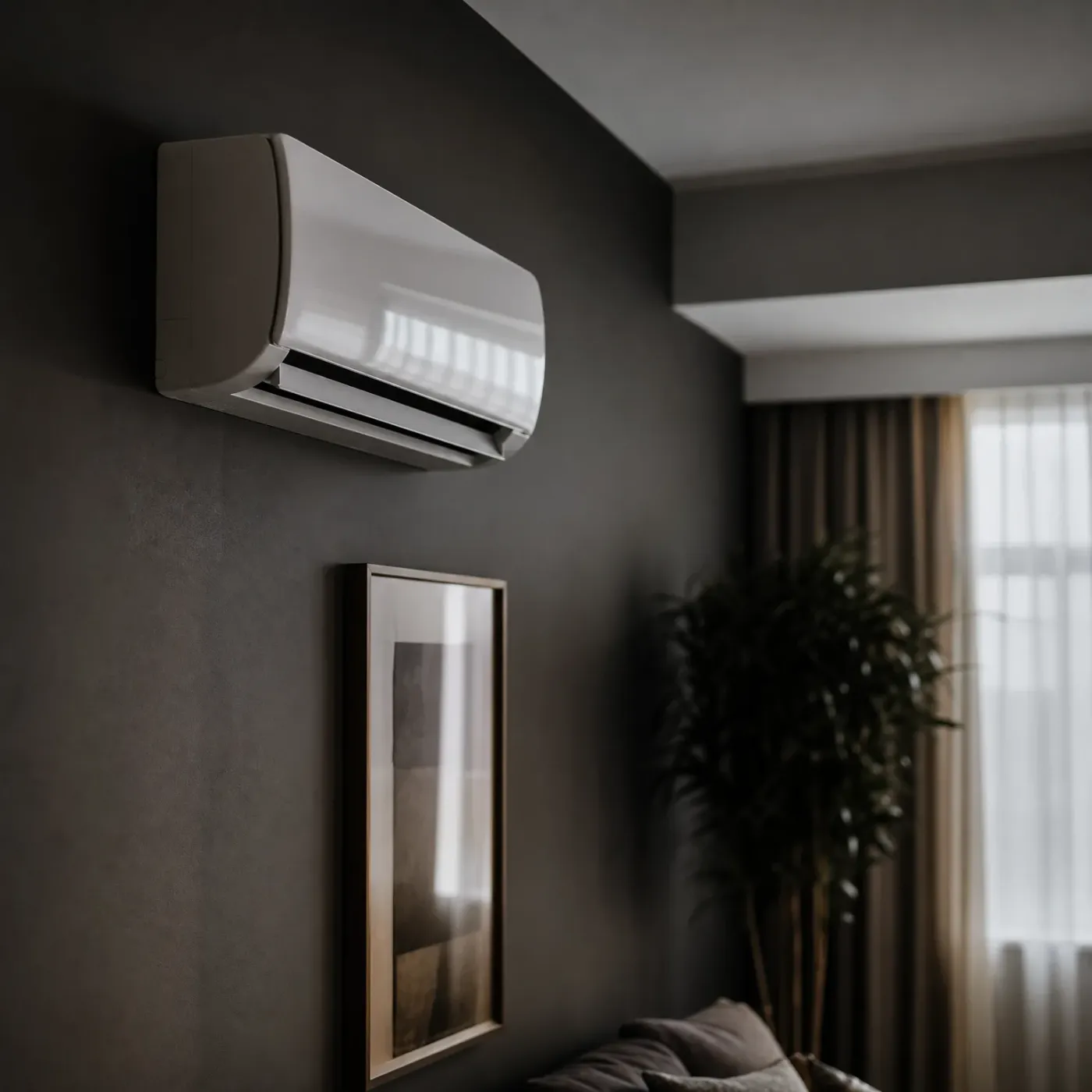

A white wall-mounted mini-split air conditioner on a dark gray interior wall above a framed picture, with a potted plant and curtained window to the right.

A pro who works on mini splits

What size mini split a Mississippi home needs

Sizing a mini split isn't just square footage. Your home's layout, insulation, windows and Mississippi's humidity all factor into the right size, and getting it wrong means a system that short cycles or can't keep up in August. This page walks through what goes into the number. When you're ready, you can get matched with a contractor who'll look at your actual space and take it from there.

Get matched

The right size for a mini split comes from a room by room heat load, not a flat number per square foot. A 12,000 BTU unit covers around 500 to 600 square feet in most climates, but Mississippi's humidity changes that math. A system sized only for temperature can cool the air fast and shut off before it pulls enough moisture out, leaving the room cold but sticky. That's short cycling, and it wears on the compressor over time while the air still feels damp. Ceiling height, window area, how much sun a room gets, and whether it shares walls with conditioned space all shift the number up or down. A contractor who sizes it against those details, not just the floor plan, is the one who gets it right the first time.

A white wall-mounted mini-split air conditioner installed high on a beige interior wall below crown molding, with a sheer white curtain on a dark rod at the left edge.

Sized right for the room

A mini split that matches the room's heat load runs long, steady cycles and pulls the moisture out of the air along with the heat. That's what keeps a room comfortable through a muggy Mississippi afternoon without the unit fighting to keep up.


A dusty white wall-mounted mini-split air conditioner unit installed near the ceiling on a plain light-colored interior wall, with a small recessed ceiling fixture at upper left.

Sized wrong, working harder

An oversized unit cools the room fast, shuts off, and starts again before it's pulled the humidity down. That short cycling leaves the air feeling damp and pushes dust and grime onto the casing faster, the kind of buildup you can see here.

Oversized vs. Undersized

Oversized

  • An oversized mini split cools the air fast, then shuts off before it has pulled the humidity out of the room.
  • Short cycling like this means the compressor starts and stops more often, which wears on it over years of Mississippi summers.
  • A room can feel cold and still feel damp, because the unit never ran long enough to dry the air.
  • Oversizing often comes from rounding up by square footage alone, without accounting for insulation or how many windows a room has.
  • The temperature swings more between cycles, so the room doesn't hold a steady feel the way a correctly sized unit does.

Undersized

  • An undersized mini split runs nearly nonstop in August and still falls short of the set temperature on the hottest afternoons.
  • It pulls more power trying to keep up, since it's working at or near full capacity for hours at a time.
  • Humidity creeps back into the room on the hottest, stickiest days when the unit can't keep pace with the heat coming in.
  • A single zone that's too small for an open layout will leave the far corners of the room noticeably warmer.
  • Running flat out for long stretches adds wear the system wouldn't see if it were matched to the space.
A gray-haired, bearded man in a dark coat dusted with snow stands smiling in a dimly lit room with a lamp, mirror, framed art, and a sofa in the background.
An older man with white hair and a beard, wearing a dark snow-dusted coat and scarf, stands in a warmly lit interior hallway with a framed landscape picture, a table lamp and a potted plant behind him, and a snowy view through a window at left.
An older man in a dark snow-flecked overcoat and scarf stands smiling in a warmly lit home entryway, with a glass-paned door showing darkness outside and a lamp-lit room visible through a doorway behind him.
An older man with gray hair and a beard, wearing a dark snow-dusted jacket and scarf, stands smiling in a warmly lit interior hallway with a lit table lamp, a vase of dried branches, and a framed picture in the background.
A man in a dark blue shirt stands in an open front doorway of a stucco and wood-clad house, facing a blond woman seen from behind in the foreground on a stone walkway.

What the wrong size does to your house

A mini split that's wrong for the room shows up in ways you can feel. A bedroom that never quite cools down by bedtime. A living room that gets cold while the air still feels damp, so it's chilly and sticky at the same time. Walls or windows that stay a little wet on August mornings. None of that is you imagining things. It's the unit cycling wrong for the space it's in.

Left alone, that moisture is what causes trouble, not just the discomfort. Musty smells, soft drywall, mold starting in corners that never fully dry out. Getting the size right the first time means a contractor doing a real load calculation on your home, not guessing from a chart. If you'd rather have someone who knows Mississippi humidity work out the right size for your rooms, you can be matched with a contractor who looks at your specific layout and follows up with you directly.

A living room corner with a beige sofa and cushion, a round wooden coffee table holding a pale ceramic vase of eucalyptus stems and a wooden bowl, and a curtained window with a potted plant above a latticed radiator cover in the background.
A white wall-mounted mini-split indoor unit on a light gray interior wall, with a white curtain on a black rod at left and a leafy plant in the lower left corner.

Running clean

A mini split that's sized right moves steady air through a clean coil and vents. The wall stays dust free around the casing because the unit isn't straining, just doing its job at a pace it can hold through a long Mississippi summer.

A wall-mounted white mini-split air conditioner indoor unit with visible dust and grime around its outlet vent, installed near the ceiling on a plain light-colored wall.

Choked with grime

Dust and grime along the vents and casing edges cut the airflow a mini split can move. A unit already fighting the wrong size for its room works harder against that buildup, and the grime makes it worse.

Power costs 14.03 cents per kilowatt-hour statewide

At 14.03 cents a kilowatt-hour, an oversized mini split doesn't just short cycle, it runs up your bill doing it. A unit sized to the room's actual heat load uses less power to hold the same comfort, all summer and through winter heating too.

EIA-861 2025 statewide residential average

  1. A contractor measures every room's length, width and height.

  2. Windows, doors and insulation get added into the heat load.

  3. Mississippi's outdoor summer humidity factors into the final calculation.

  4. The BTU number is matched to the right indoor unit.

A wall-mounted mini-split air conditioner indoor unit with visible dust and staining, installed on a beige interior wall below white crown molding.
Before you get your mini split installation
A white wall-mounted mini-split indoor unit high on a beige interior wall, with a potted olive-like tree at right and an armchair and window visible through a doorway at left.
After you get your mini split installation

Get your mini split to the right pro

You've read through what goes into sizing a mini split and why the room by room load matters more than a flat BTU chart. That's the part a homeowner can learn. Running the actual calculation against your home's windows, insulation and layout, then weighing that against Mississippi's summer humidity, is the part that takes someone standing in the room with a tape measure and a load calculation form. Getting it wrong in either direction means living with it: a bedroom that's cold and damp, or a bill that climbs every August because the unit never settles into a steady cycle. You've already got the mini split or you're about to. Either way, the sizing question is the one that decides whether it works the way it should. Handing this off to a contractor who does this math for a living is a smaller thing than it feels like right now, and it's the next step from here.

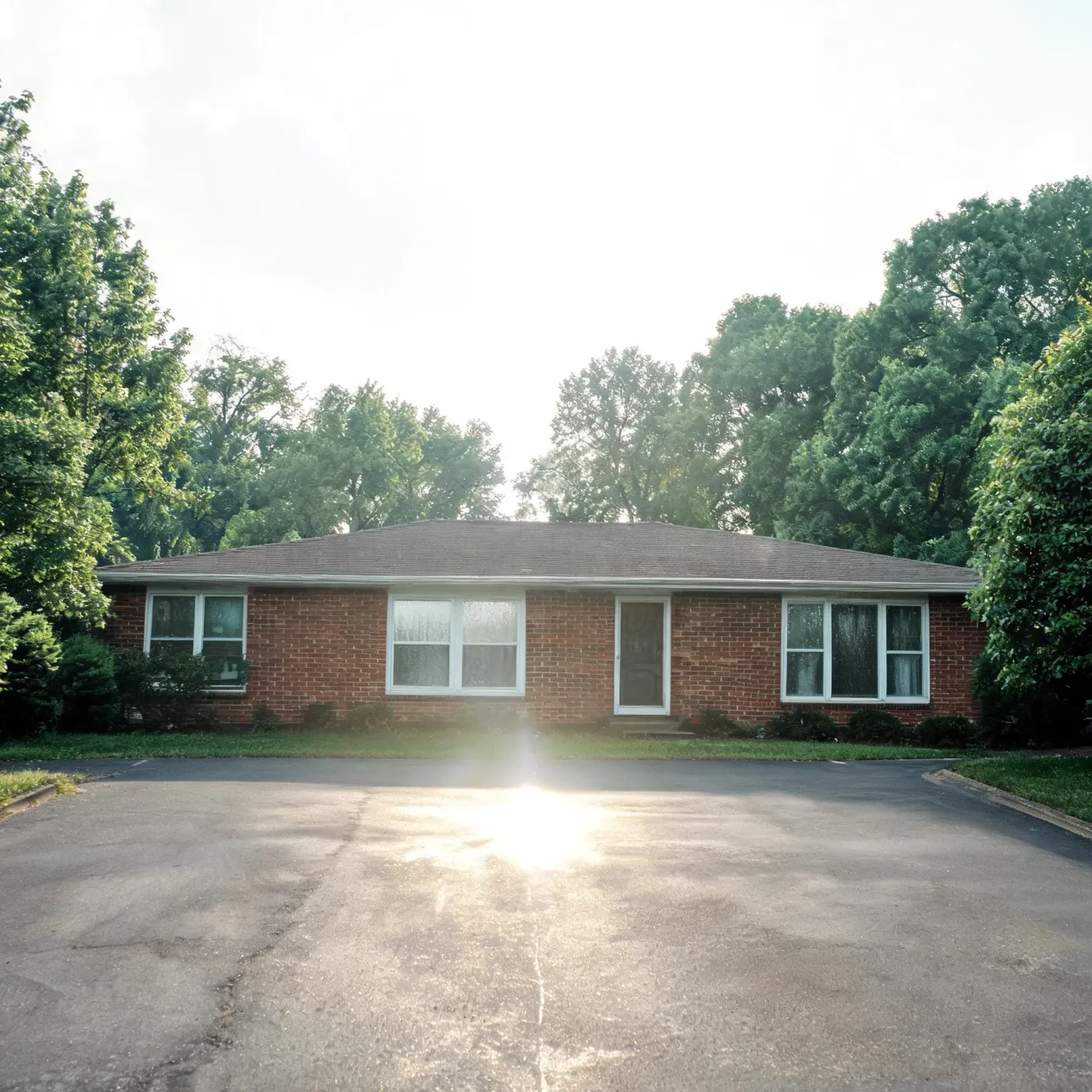
A single-story red brick ranch house with a low shingled roof, white-framed windows and a central door, fronted by a large asphalt parking area with sun glare, surrounded by leafy green trees.

A dew point of 70°F is what makes Mississippi summer air feel heavy even when the thermometer isn't that high. That's the moisture load a mini split has to pull out of the room, not just the heat. A unit sized to the room handles it in steady, quiet cycles. One sized wrong either shuts off before the moisture's gone, leaving the air cold but damp, or never catches up and runs long without getting the room dry. Either way, you'll notice it on your skin before you notice it on the thermostat.

NASA POWER T2MDEW county cells weighted by homes

Is your mini split actually keeping up this summer?

Walk through the room now. Does the air feel cool but still heavy, like the chill isn't reaching you? Does the unit click on and off every few minutes instead of running in long, steady stretches? Listen for how often it cycles during the hottest part of the afternoon. You might also notice the walls near the casing picking up dust faster than they used to, a sign the unit is straining rather than moving air at a pace it can hold. None of this is about the unit being broken. It's about whether it was ever matched to the room. Left alone through another Mississippi summer, that mismatch keeps showing up on the power bill and keeps the room from ever feeling fully right.

A white wall-mounted mini-split air conditioner unit installed high on a beige interior wall below white crown molding, with a window and woven shade at the left edge showing green foliage outside.
A mini split sized to the room runs long enough to pull the moisture out of the air, not just drop the temperature for a minute.
A dusty, stained white wall-mounted mini-split air conditioner indoor unit installed high on a plain off-white interior wall near the ceiling.
Dust and grime building up on the cabinet like this usually means the unit is straining, not just overdue for a wipe down.

Why does my mini split's size depend on more than the room's square footage?

You measured the room, maybe even checked a BTU chart online, and the number you got doesn't match what the contractor is telling you. It feels like square footage should be enough to go on, but a room that size in one house isn't the same load as that size in another. You want to know what else actually factors into the number before you commit to a unit.

Square footage gets you a starting number, not the right one

A BTU chart gives you a rough range based on floor area alone. It doesn't know how many windows the room has, which direction they face, how much insulation is behind the walls, or whether the ceiling runs higher than eight feet. All of that changes how much heat gets into the room on a summer afternoon, and how much the mini split has to pull back out. In Mississippi, the humidity adds another load on top of the temperature, one square footage never accounts for. Two rooms the same size can need different sized units once you factor in windows and insulation. That's why a contractor measures the room itself rather than working off a chart.

A woman wrapped in a cream textured blanket sits in an armchair beside a lit lamp and a dark window, with an open book in the foreground.
A bearded man in a plaid flannel shirt stands indoors looking out a frost-covered window, with a steaming dark blue mug on the wooden sill and snow-covered trees outside.

The Right Size, Settled

  • The right size for a Mississippi mini split comes from a room by room heat load, not a square footage chart.
  • A unit sized to the room runs long, steady cycles that pull humidity out of the air along with the heat.
  • An oversized unit short cycles, cooling the air fast but shutting off before the moisture leaves the room.
  • Windows, insulation, room dimensions and Mississippi's outdoor summer humidity all factor into the final BTU number.
  • A mini split sized wrong shows up as a room that feels cold and damp at once, or a bill that climbs without extra comfort to show for it.
  • Once a contractor runs the load calculation against your home, the right size stops being a guess and becomes a number you can trust.

Square footage gets you a starting guess. A room by room heat load gets you the number that actually works in your house, through a muggy Mississippi summer and the winter months you heat with electricity too. That's the difference this page has been walking through: windows, insulation, how the room is shaped, and what the outdoor humidity adds to the load a mini split has to carry. None of that shows up on a chart that only asks how many square feet a room has.

Get the size wrong and you feel it. A room that's cold but still damp. A unit that clicks on and off instead of settling into a long, steady run. A power bill that climbs while the room still doesn't feel right. Get it right and the opposite happens quietly: the unit runs long enough to pull the moisture out along with the heat, and it does that without straining.

You don't have to run that calculation yourself. A contractor measures the room, accounts for what's in the walls and windows, and matches the BTU number to what your home actually needs. Once you send the form, the work of finding someone to do that stops being on you. You're not left to compare chart numbers against your own guesswork, and you're not left waiting on hold trying to explain square footage to someone who needs to know a lot more than that. The sizing question gets handed off, and so does the search for who answers it.

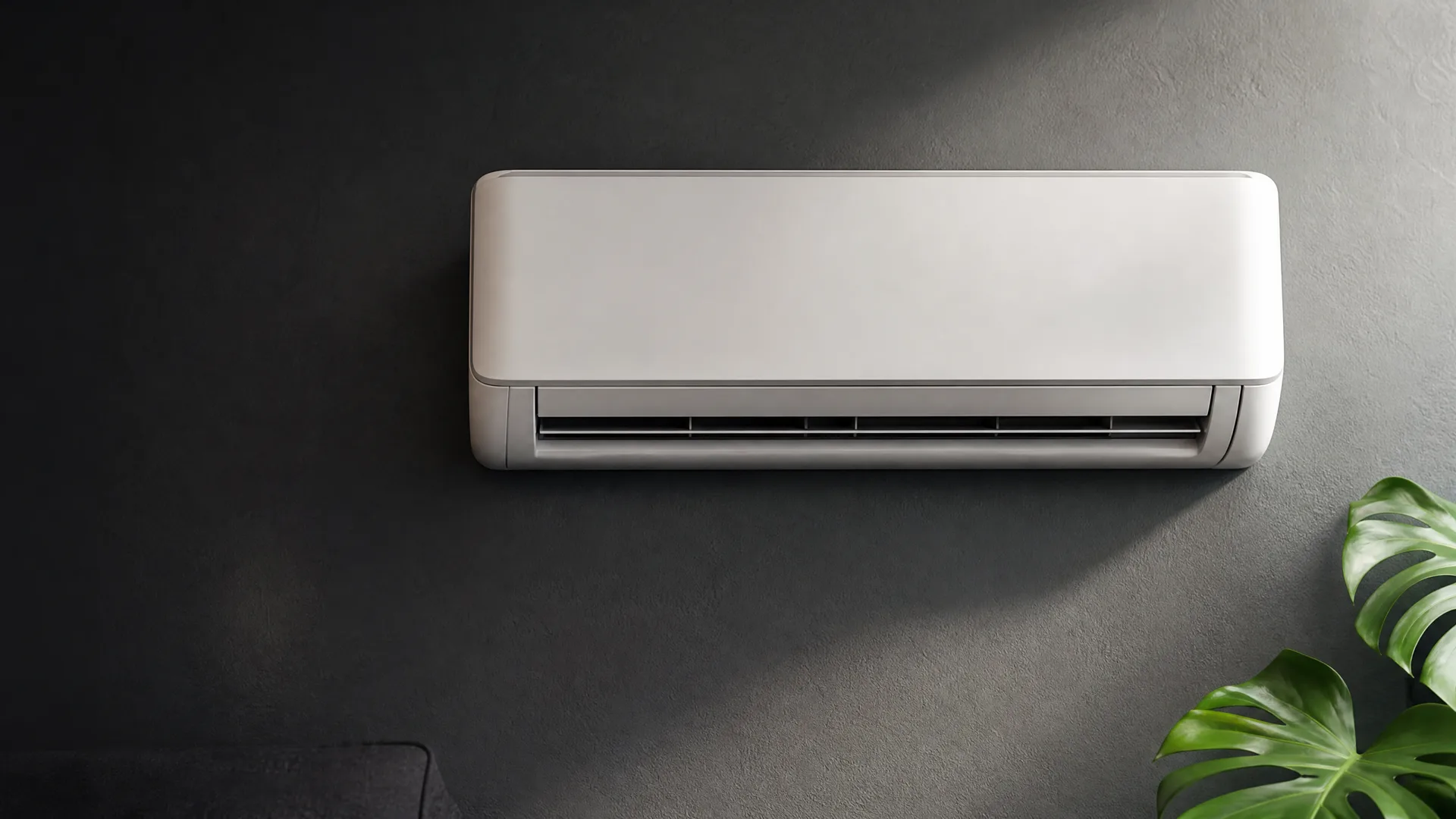
A white wall-mounted mini-split air conditioner on a dark grey textured wall, with a monstera plant leaf at the lower right corner.

The right pro for this job

Step 1 of 3: Equipment