Is a mini split worth it in Jackson, MS

Find my pro

You're running a mini split in Jackson and wondering if it's actually pulling its weight through a Mississippi summer. That's a fair question to ask, and the answer depends on your home, your unit, and how it was sized and installed in the first place. Hinds County summers are long and muggy, winters are mild, and most houses here already lean on electric heat, so a mini split sits in a different spot than it would elsewhere. Getting a straight read on yours means talking to someone who installs them here regularly, not guessing from a forum thread. Instead of calling around Jackson, explaining your setup to one contractor after another, and sorting through quotes that don't match up, you can get matched with a contractor who installs mini splits in this area and have them reach out to you directly. One conversation, with someone who already knows the local conditions you're dealing with.

Is a mini split worth it in Jackson, MS?

You've got a mini split, or you're sizing one up, and you want to know if it actually earns its keep once July hits. Jackson summers run long and muggy, and that's exactly the kind of load that separates a good install from a bad one. The honest answer isn't yes or no on its own. It comes down to how the unit was sized for your space and whether it was installed to handle the humidity, not just the heat.

Yes, if it was sized and installed right for your home

A mini split that's sized correctly for the room or zone it serves will hold up through a Hinds County summer, cooling steadily and pulling the moisture out of the air as it goes. One that's oversized will cool the room fast and shut off before it's wrung out the humidity, leaving the space cold but damp. Undersized, and it runs nonstop trying to catch up, which wears on the compressor and shows up on your power bill. Since most homes here heat with electricity, a mini split that also handles heating in the mild winters can carry real weight year round, not just in summer. Whether yours is worth it comes down to that sizing and install work, not the equipment itself.

A white wall-mounted mini-split air conditioner on a plain light-colored interior wall, with a window at left and a green leafy plant in the lower left corner.

Why sizing decides the outcome

A mini split doesn't ramp up and down the way a furnace or a central AC does. It runs at a lower, steadier output most of the time, and only pushes hard when the room actually needs it. That only pays off if the unit matches the room. Oversize it and it cools the air fast without pulling the humidity down, so the room feels damp even at the temperature you set. Undersize it and it runs flat out all summer trying to keep up, which is hard on the compressor and hard on your power bill.

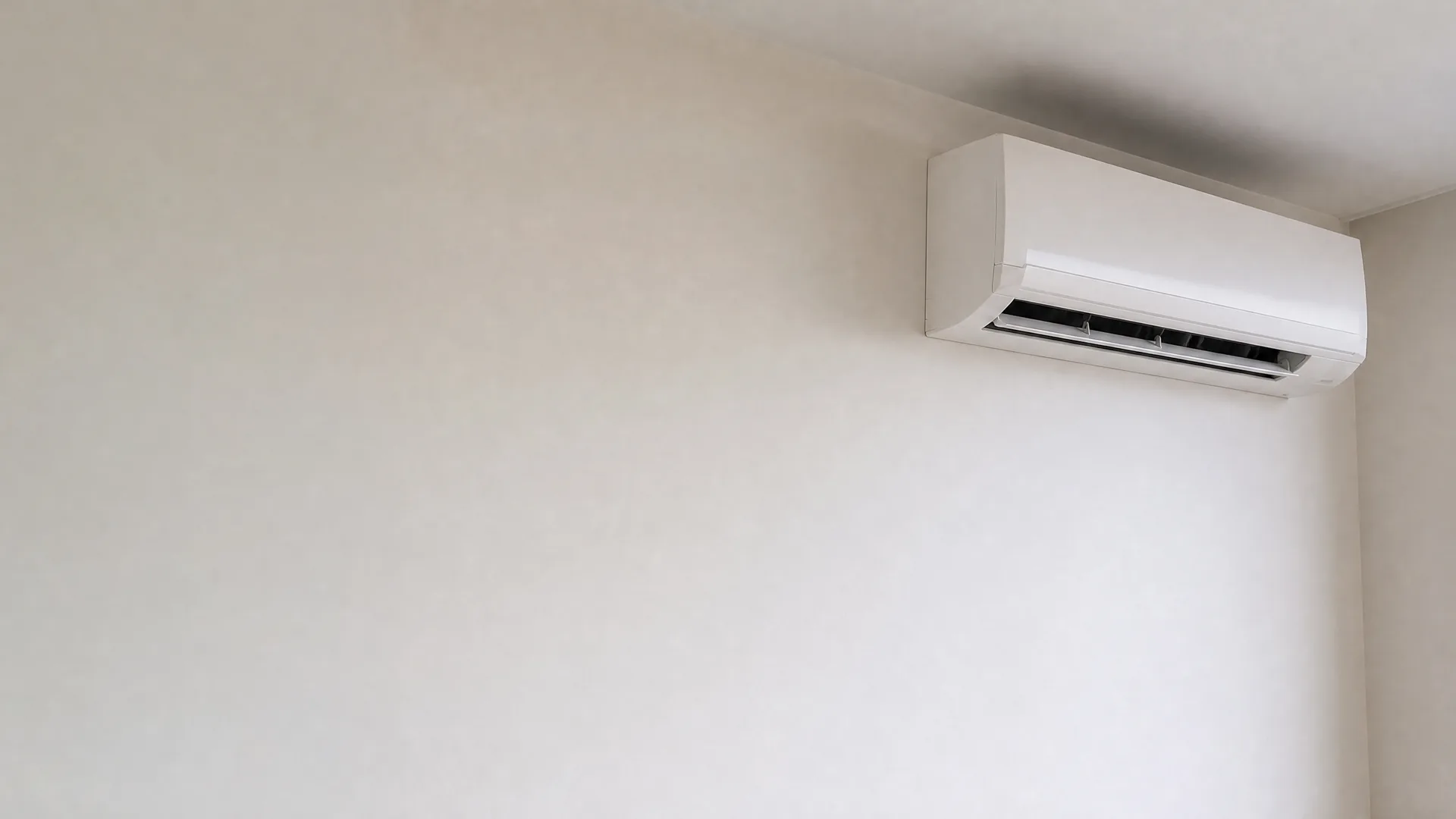
A white wall-mounted mini-split air conditioner installed near the ceiling on a plain beige interior wall, with empty wall space to the left.

What the inverter compressor is doing

Inside the outdoor unit is an inverter compressor, and it's the reason a mini split handles Hinds County humidity differently than a window unit. Instead of switching fully on and fully off, it adjusts its speed to match the load, which means it keeps pulling moisture out of the air through long, low-speed stretches instead of short blasts. That steady operation is also what keeps the indoor coil from icing over during the stickiest stretches of July and August, when the air conditioner is working its hardest.

Cooling runs May through October

May through October is six months of your mini split carrying the load, not just taking the edge off. That's half the year it needs to run steady and keep up, so a unit that's undersized or set up wrong shows it fast, in your power bill and in rooms that never quite feel right.

NOAA nClimDiv 1991-2020

When a mini split earns its cost

A mini split sized and installed right for the room it serves will hold its own against a window unit or an extra zone on a central system. It runs at a steady, lower output instead of switching off and on, so it keeps pulling moisture out of the air through a long Jackson summer instead of cooling fast and leaving the room damp between cycles. In a sunroom, a garage conversion, or an addition that never got tied into the main ductwork, a mini split can condition that space without asking the rest of the house's system to stretch further than it was built for. Where a mini split is the only thing serving a room, there is no duct work to leak or lose air along the way, which matters in an older house where the ductwork was never part of the plan to begin with.

When it falls short instead

A mini split that is too big for the room will cool it fast and shut off before it pulls the humidity out of the air, which leaves the space feeling damp even at the right temperature. One that is too small never catches up once July and August settle in, and it runs hard without ever getting ahead of the heat. Either mistake shows up on the power bill and in how the room actually feels, not just on paper. A unit installed to patch a room that a larger system already struggled to reach can end up fighting that system instead of helping it. Getting the sizing and placement right for your specific room is what decides which of these you end up with.

What does Jackson weather and power actually ask of your mini split?

  • Cooling runs May through October

    Six months of cooling means your mini split spends half the year running steady, not just cycling on hot afternoons. Sizing and install quality show up fast over that stretch.

  • Heat runs November through March

    Five months of heat is real work for a mini split too, since most homes here run on electric heat. A unit that struggles in January is as much a problem as one that struggles in July.

  • Power here costs 13.91 cents per kilowatt-hour

    At 13.91 cents per kilowatt-hour, a mini split pulling more power than it should because it's undersized or poorly installed adds up over eleven months of use, not just the hottest week.

NOAA nClimDiv 1991-2020 · EIA-861 2025

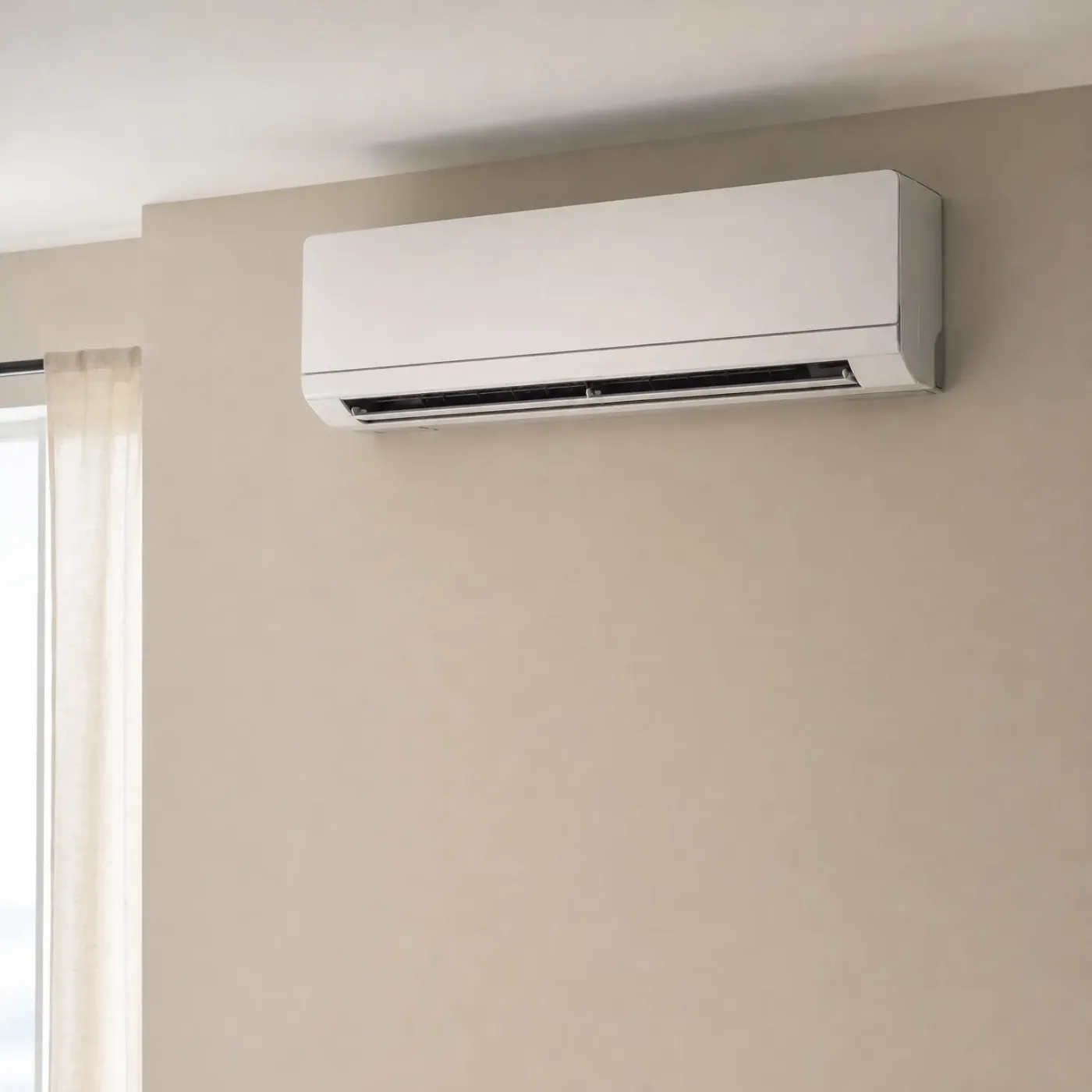
A white wall-mounted mini-split air conditioner installed high on a beige interior wall near the ceiling, with a sheer curtain and window at the left edge.

Running the way it should

This is a mini split keeping up. The coil stays clean, the airflow stays strong, and the unit holds the room steady through a long Jackson summer without straining. That's what correct sizing and a clean install look like years in.

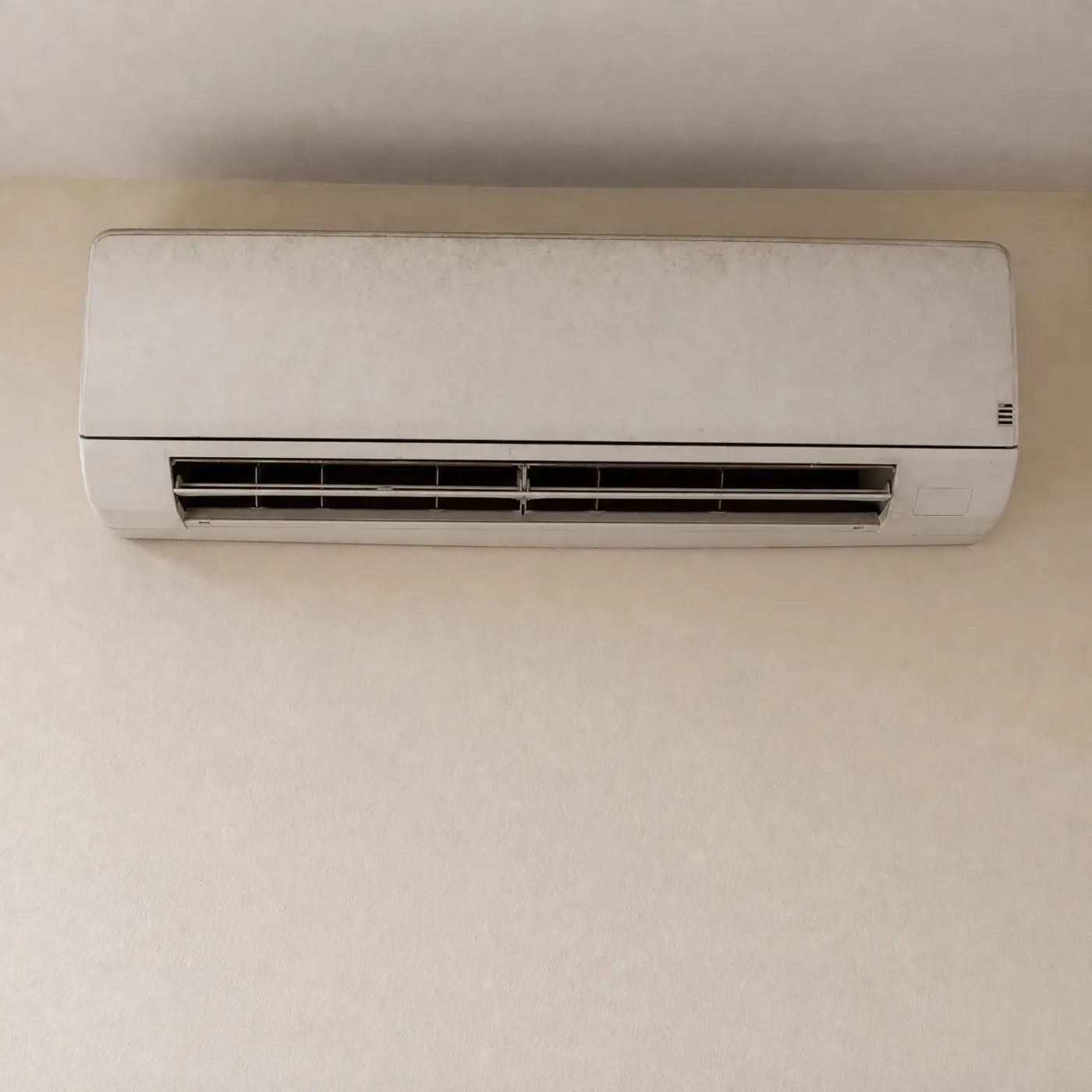
A white wall-mounted mini-split air conditioner indoor unit with visible dust and discoloration, installed near the ceiling on a plain beige wall.

Running into trouble

Dust and discoloration like this mean the coil isn't moving air the way it should. A mini split working this hard to keep up usually costs more to run and still falls short in the room on the hottest days. Worth having someone who installs these look at what's behind the panel.

An older woman with gray hair in a gray knit sweater sits on a sofa under a knitted blanket beside a large window, looking out toward yellow autumn foliage, with a living room, fireplace and patterned rug behind her.
An older woman with gray hair in a cowl-neck sweater sits on a sofa under a blanket, looking out a large window toward trees with yellow autumn foliage.
A gray-haired woman in a light knit sweater sits in an armchair by a window, looking out at trees with yellow autumn leaves, with a dark ceramic mug on the sill and a plant in the foreground.
A gray-haired woman in a cream knit sweater sits in a chair by a large window, looking out at rolling hills covered in autumn-colored trees.

Get matched with a mini split pro in Hinds County

You've read what a mini split needs to earn its keep in Jackson. Checking whether yours actually meets that bar means someone looking at the unit, the room it serves, and how it was put in. That's not something you work out from a search page. If it was sized wrong or the install cut corners, the fix is a contractor's call, not a guess on your end. Getting that answer usually means tracking down a few companies, explaining the system and the problem to each one, then sorting through what they tell you to figure out who actually knows what they're looking at. You can skip that part. Ask here and a contractor who works on mini splits in the Jackson area gets your request and reaches out. You're still six months from next summer's full load, which is time enough to know where you stand instead of finding out in July.

If your mini split is undersized or the install was rushed, you'll feel it in the room that never quite cools and see it in a power bill that climbs through July and August.

A unit sized and installed right carries that same stretch without strain, and that difference shows up in your house, not in a spec sheet.

A woman in a cream knit sweater sits in an armchair with her eyes closed and head tilted back, beside a window showing orange autumn foliage and a wooden side table with a mug.
A gray-haired man in a blue quarter-zip sweater sits in an armchair with his eyes closed, beside a large window with bare trees outside and a potted plant and lamp nearby.

A mini split doesn't make cold air the way a furnace makes heat. It moves heat that's already indoors out through the line set, using a refrigerant that changes pressure to carry that heat along. The compressor outside is doing the real work, and it runs at whatever speed the room demands. Holding a room at temperature takes less from it than dropping that room's temperature in the first place, which is why a unit that cycled off and came back on works harder than one left to run steady. Inside, the blower pulls room air across a coil that's cold enough to wring both heat and moisture out of it before sending it back. Everything after that depends on what's between the compressor and the coil. A line set that runs too far, or refrigerant that's not charged right, makes the compressor push harder without delivering more cooling. A head mounted where it can't draw air from the whole room leaves part of that room uncooled no matter how hard the compressor works. And a coil caked with dust or a filter clogged with it forces the blower to strain, which the compressor then has to match.

How a mini split actually cools

  • A mini split moves heat instead of burning fuel to make it, pulling warmth out of indoor air and pushing it outside through the refrigerant line.
  • The outdoor compressor changes speed to match the load, so it draws less power holding a room steady than it does pulling one down from scratch.
  • The indoor head's blower pulls air across a cold coil to drop both temperature and humidity before sending it back into the room.
  • A line set run too long or with a bad refrigerant charge makes the compressor work harder for the same cooling, and that shows up in the power bill.
  • The indoor head has to sit where it can pull air from the whole room, not a corner that leaves half the space untouched.
  • A clogged coil or a dirty filter forces the blower to push harder for the same airflow, and the compressor follows by working harder too.
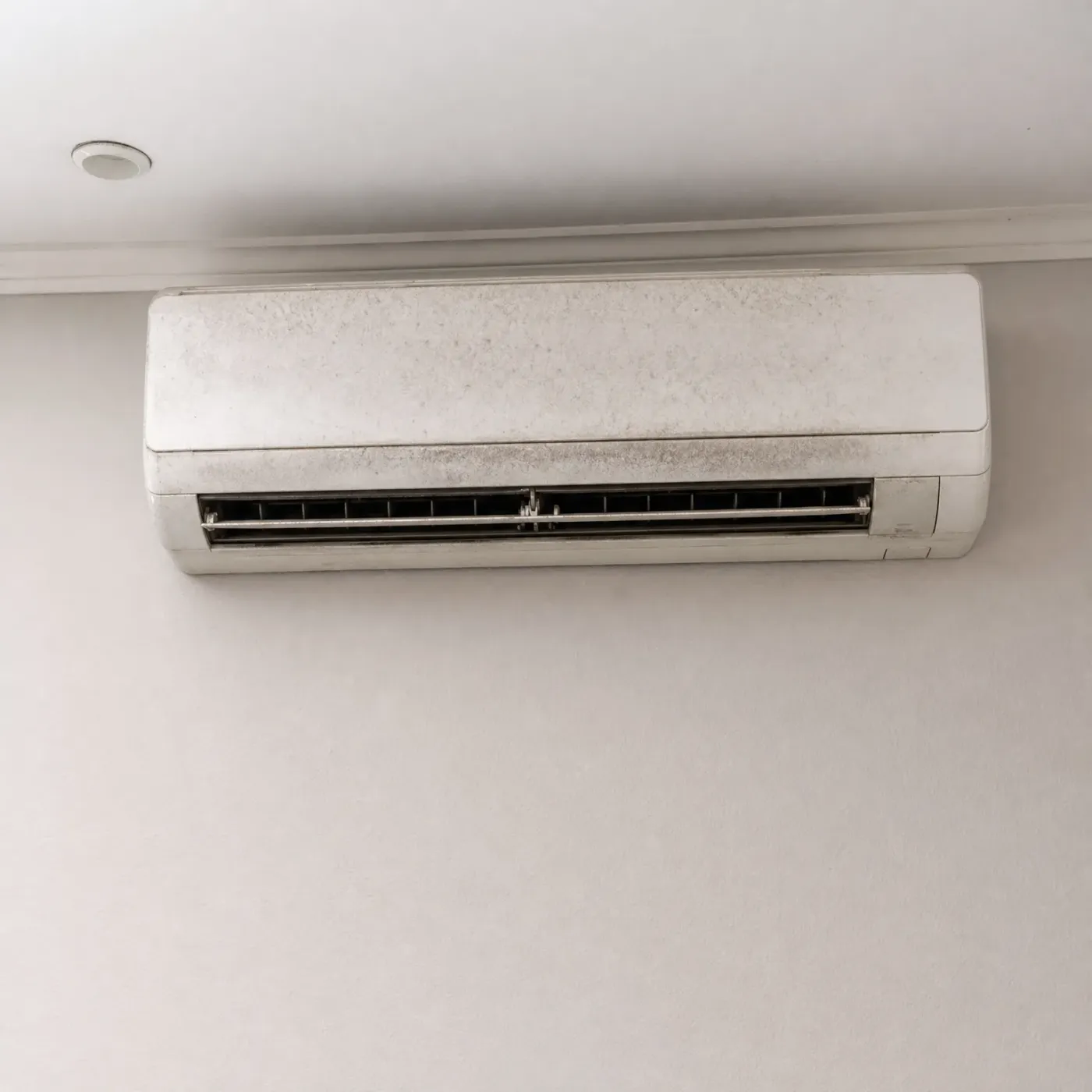
A dusty white wall-mounted mini-split air conditioner unit installed near the ceiling on a plain light-colored interior wall, with a small recessed ceiling fixture at upper left.
Before you get your mini split installation
A white wall-mounted mini-split air conditioner installed high on a beige interior wall below crown molding, with a sheer white curtain on a dark rod at the left edge.
After you get your mini split installation
A white wall-mounted mini-split indoor unit on a light gray interior wall, with a white curtain on a black rod at left and a leafy plant in the lower left corner.

Working clean

A mini split moving this much air without strain means the filter and coil are clear and the unit was sized for the room. It holds temperature without running flat out, which is what gets you through a Jackson summer without a July power bill that keeps climbing.

A wall-mounted white mini-split air conditioner indoor unit with visible dust and grime around its outlet vent, installed near the ceiling on a plain light-colored wall.

Choked with dust

This buildup along the vents and casing means the unit is pulling less air through for the same effort. It has to run longer to hold the room, and that shows up in the power bill before it shows up as warm air. Rooms this grimy are overdue for a cleaning.

A mini split earns its keep in Jackson when it's sized for the room and installed clean, and it falls short when it isn't. That's the whole answer. Six months of real cooling load will find a unit that's too small or hung up wrong, and it'll find it in your power bill and in rooms that never get comfortable. Getting a straight answer for your own unit means someone looking at what's actually on your wall and how it was put in, not another search result. That usually means calling around to a few contractors, explaining the same problem each time, and sorting through quotes that aren't quite answering the same question. You can skip that part and get matched with a contractor who handles mini splits in Hinds County, and let them reach out to you instead. Either your unit is doing its job or it isn't. Now you know what to look for, and you know how to get someone qualified to look with you.

A white wall-mounted mini-split air conditioner on a dark gray interior wall, with potted plants on either side and a dark cabinet below.

Find a mini split installation pro in Hinds County

Step 1 of 3: Equipment