



Running clean
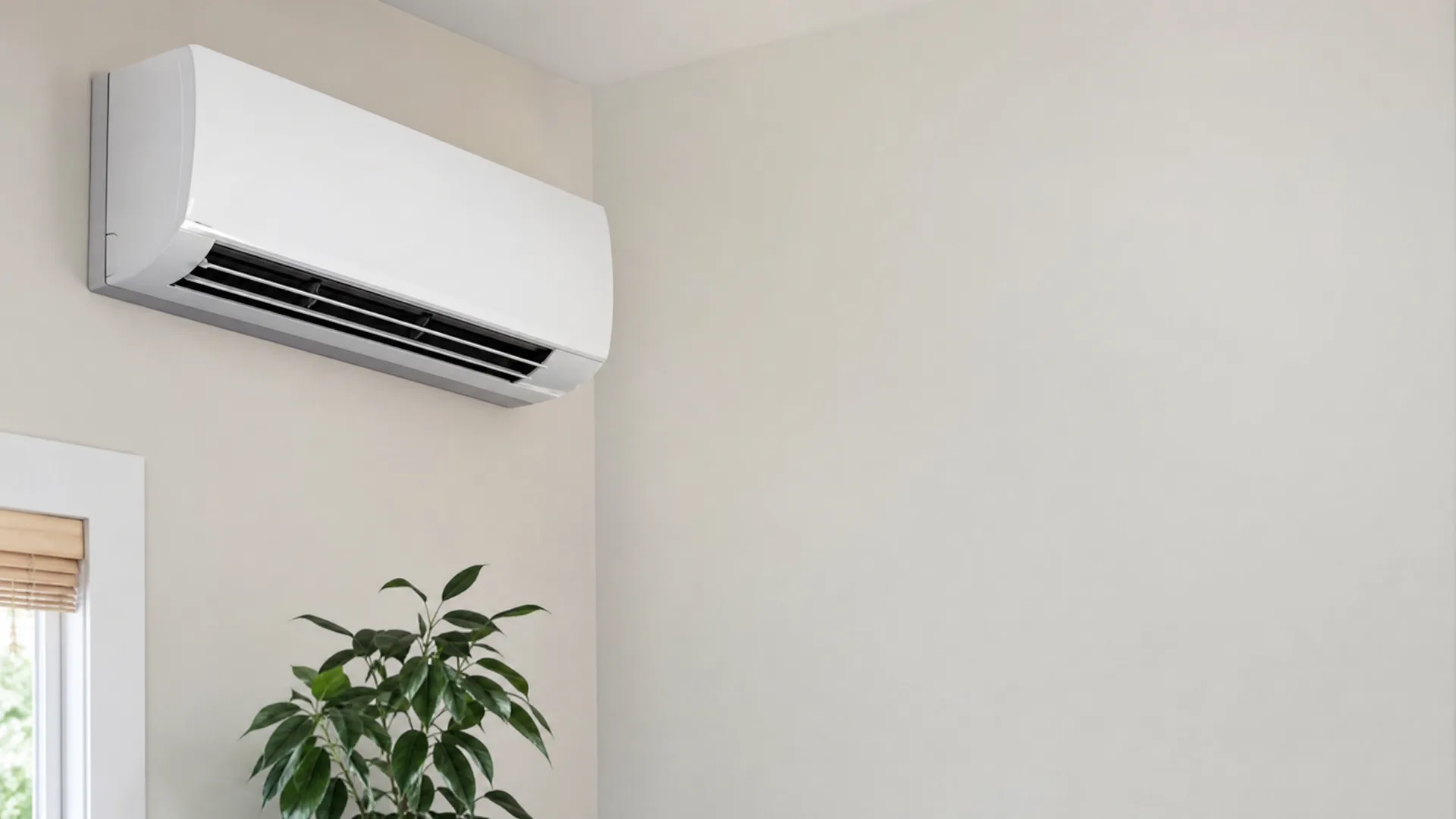
This is what a mini split should look like on the wall, doing its job in a normal room. Air moves out of the vents without resistance. Nothing is pulling extra power to push air past a dirty coil or a clogged filter.
Send the form and stop researching installers for the new mini split.
Let a pro reach outA cold-climate mini split is probably more than Mississippi winters ask for. That rating matters where units have to pull heat out of air well below freezing without losing capacity. Winters here are milder, so a standard mini split heat pump already covers most of what your home needs most years. Where the cold-climate version earns its keep is on the handful of nights that drop hard, since it keeps producing heat at outdoor temperatures a standard unit starts to struggle with, and it avoids leaning on backup electric heat strips, which cost more to run. The bigger piece for you is summer. Mississippi summers are muggy, and a mini split has to be sized and installed to move that moisture out of the air, not just drop the temperature. Get that part right and the heating side takes care of itself most of the year.
Outdoor unit pulls heat from outside air into refrigerant.
Compressor raises the refrigerant's pressure and temperature.
Hot refrigerant flows inside to the indoor head.
Indoor coil releases heat into air blown across it.
On a hard freeze you might notice the indoor head blowing air that feels cooler than it should, or the outdoor unit running almost constantly without the room catching up. Some units show a drop in output right around the point where Mississippi's coldest nights sit. That's the gap between a standard mini split and a cold-climate one. If your home leans on electric heat and the mini split can't keep pace on those nights, you'll likely see it in a higher bill before you see it in the thermostat, and in the meantime you're running a backup source to cover what the unit can't.
A standard mini split heat pump keeps pulling heat down into the 20s and low teens before output starts to fall off hard. Mississippi rarely sees stretches below that for long. The unit is sized and tested for the summer humidity here first, and the heating side rides along as a second job it can handle most nights without strain.
Cold-climate units earn their price in places where outdoor air sits below zero for weeks, places that need steady heat without a backup furnace carrying the load. Mississippi winters don't ask that of the equipment. The extra compressor capacity and defrost tuning built for subzero air sit unused most years, which is the plain reason the upgrade doesn't pay back here.
This is what a mini split should look like on the wall, doing its job in a normal room. Air moves out of the vents without resistance. Nothing is pulling extra power to push air past a dirty coil or a clogged filter.

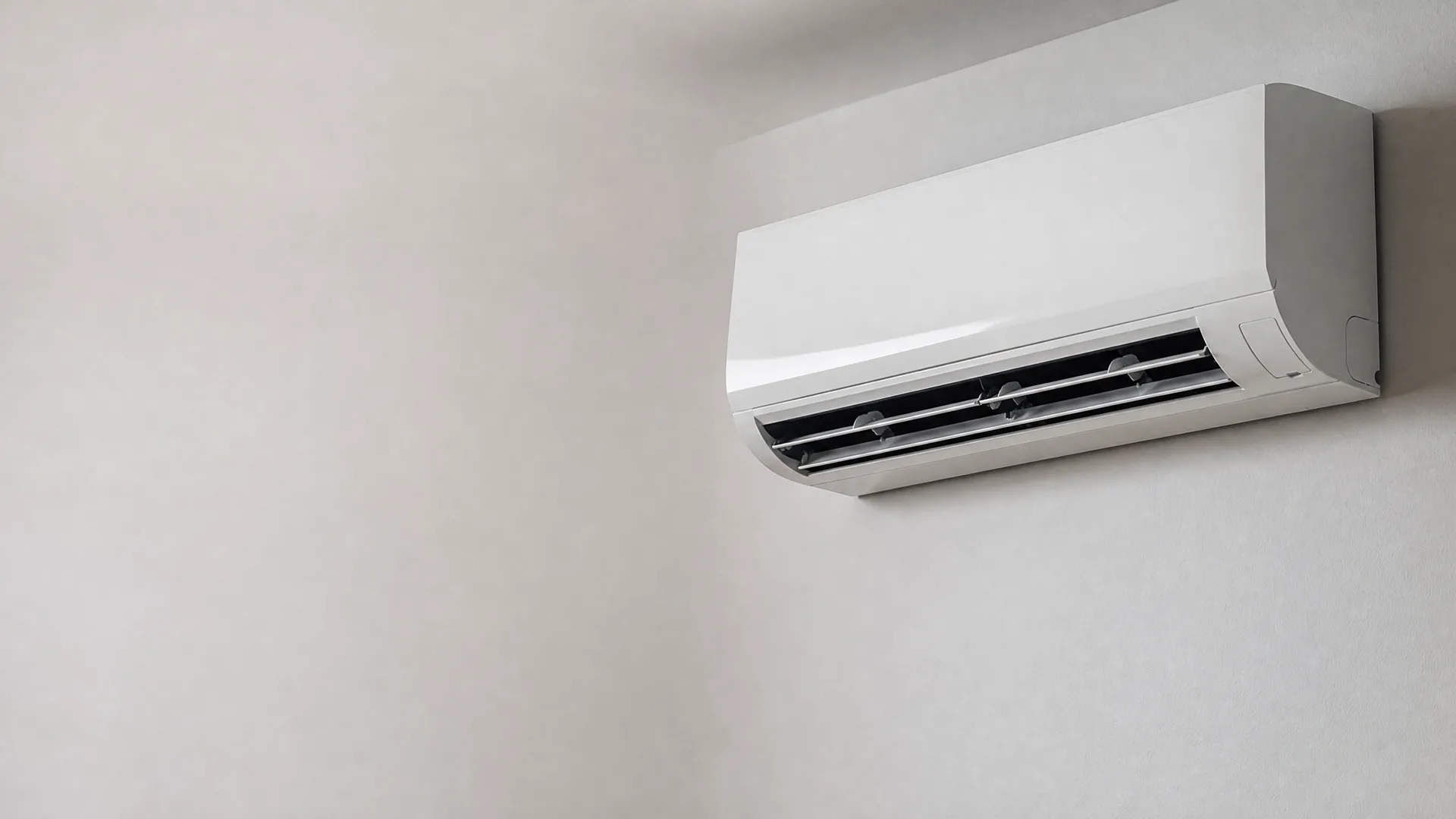
Dust and grime along the outlet vents mean the coil behind them is likely worse. A unit running this dirty works harder for the same cooling, and in Mississippi's humidity that extra strain shows up on the power bill before it shows up as a breakdown.




A Mississippi summer averages a dew point of 70°F across June, July and August, which is the kind of heavy air that sits on your chest the second you walk outside. That's the load your mini split is really built for, more than any cold snap in January. The indoor head has to pull that moisture out of the air while it cools the room, and that's harder work than dropping the temperature a few degrees on a dry day. If the unit was sized and installed right for this, you'll feel it: the air coming out of the vents feels dry, not clammy, and the room doesn't feel cold and damp at the same time. If something's off there, sending the form means you stop hunting for who to call and start waiting on someone who already knows what this air does to a system.
NASA POWER T2MDEW county cells weighted by homes
A cold-climate mini split costs more up front, and in Mississippi that extra money is going toward cold you mostly won't see. If the one on your wall now is a standard model, it's already matched to what this state asks of it, summer humidity included. The question worth answering isn't which rating sounds tougher. It's whether the unit you have is running the way it should, sized right for the room it's in and installed the way the manufacturer specs call for. That's a judgment call for someone who can look at your place, not a spec sheet. Instead of calling around to find someone who'll give you a straight answer, send the request once. It goes to one contractor, not a stack of them calling back at once, and you're not stuck explaining your setup five separate times to five separate companies trying to win the job.
If your mini split already heats the house through January without the indoor head blowing cool air or the outdoor unit running nonstop, a standard model is doing its job. Most Mississippi winters don't ask for more than that. The money a cold-climate unit adds up front goes toward holding capacity well below freezing, and your outdoor temperatures rarely stay there long enough to use it. A standard unit sized right for your home, matched to the summer humidity load too, covers what you actually need most of the year.
If your home sits somewhere that sees real stretches in the teens or lower, or the unit you have now struggles on the coldest nights already, a cold-climate model is worth bringing up when you get a contractor out. It costs more, and that cost only pays off if your winters actually get that cold often enough to matter. A contractor who looks at your home, your current unit and where you live can tell you which side of that line you're really on.


Frost on the outdoor coil is normal in cold weather. Once it builds up, air can't move across the coil and the unit loses its grip on outside heat. The control board watches for that through a sensor on the coil itself, not a guess based on the thermostat or the time of day. When it trips, the system reverses the refrigerant flow for a few minutes, pushing hot gas outside instead of in. That melts the frost, and the indoor head goes quiet or blows cool air until the cycle finishes and heating picks back up. A cold-climate unit is built to handle this more often and more precisely. Its sensor reads finer differences in coil temperature, and the compressor is modified to keep working efficiently through repeated defrost cycles during long stretches near or below freezing. That matters in a place where the outdoor unit sits at 10°F for days at a time. Mississippi winters rarely put that kind of strain on a compressor. The outdoor coil here doesn't stay near freezing long enough, or often enough, for the extra defrost hardware in a cold-climate unit to do much beyond what a standard mini split already handles. The defrost cycle still happens on a standard unit when it needs to. It just doesn't need to happen as often, or work as hard, as it would somewhere colder.
At 14.03 cents per kilowatt-hour, running the heat strip backup on a cold-climate unit through a Mississippi winter costs about the same as running it on a standard one. You're not paying less to own the bigger-rated machine, just more to buy it.
EIA-861 2025 statewide residential average

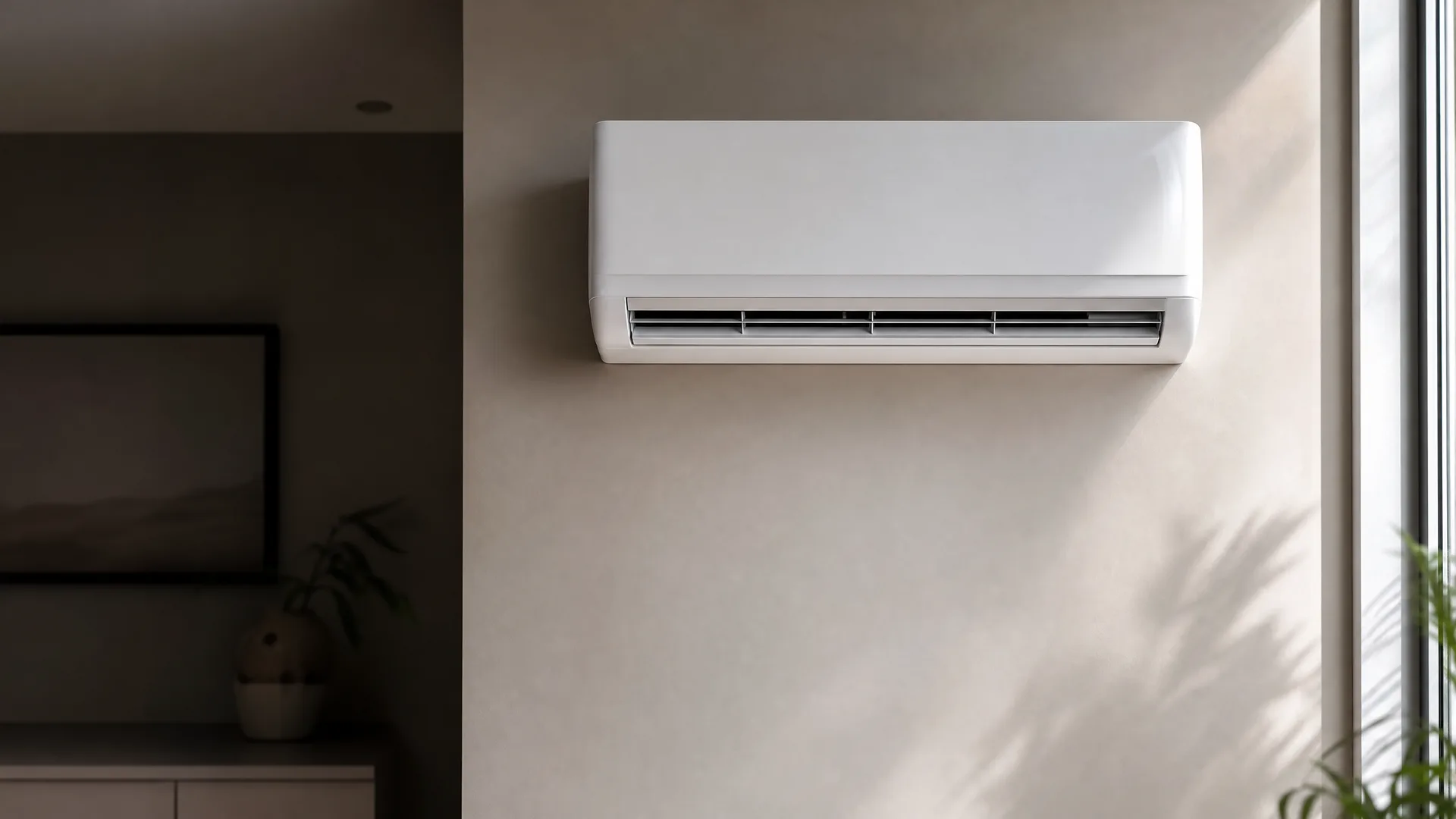
This is a mini split doing its job without drama. Air moves through the vents clean, the outdoor unit cycles normally, and the room holds its temperature. Whether it's a standard model or cold-climate, this is what you want to see on the wall.

Years of dust and grime have discolored the casing, and that buildup usually means the coil behind it is just as dirty. A unit working this hard to push air has lost efficiency no matter how it was rated when it went in. At this point, a cold-climate upgrade won't fix what cleaning and service would.

For most houses in Mississippi, no. A standard mini split heat pump already handles what winter here asks of it, and the extra cold-weather range built into a cold-climate unit goes mostly unused. What your mini split needs to get right is the muggy stretch from June through August, not a January cold snap.
If you're ready to have someone look at what's on your wall now, or put in a unit that matches what this state actually demands, that part doesn't have to be your problem. Instead of searching out installers, calling each one, explaining the same thing again, and weighing quotes against each other, you send one form and let someone else sort out who's right for the job.

One request and it's handed off