




Can a mini split cool a whole house in Gulfport, MS

Step 1 of 3: Equipment

A single mini split can cool a whole house in Gulfport, but only if it is sized and placed for that job, and most single-zone units are not. One indoor head cools the room it's in well and the rooms near it some, but it will struggle to push air down a hallway into closed-off bedrooms, especially with summers here as muggy and long as they are. What covers a whole house is a multi-zone system, with an indoor head in each room or area that needs its own cooling, all run off one outdoor condenser. That setup can replace central air entirely, with the added advantage of cooling some rooms more than others depending on who's home and when. If you're looking at a single head doing the job alone, it's worth having someone look at your layout before you count on it for the whole house.

A woman with long blonde hair in a light blue shirt leans back on a beige sofa with her eyes closed, in a softly lit living room with cushions and a blurred plant and shelf in the background.
A woman with long dark hair in a gray knit sweater sits on a gray sofa with a cushion, looking toward a window in a living room with framed pictures and a lamp in the background.
A woman with long dark hair in a light grey knit sweater sits on a sofa indoors, looking to her right, with a framed landscape picture, a potted plant and a curtained window behind her.
A woman with long dark hair leans back against a gray sofa with her eyes closed, in a living room with a curtained window, a potted plant, and a dark screen in the background.

What does a mini split in Gulfport actually have to work against?

  • Cooling runs May through October

    One unit has to keep up from May through October, six months of pushing cool air against Gulfport heat and humidity, not just a few weeks of hard days.

  • Heat runs November through March

    Heat only has to run November through March here, five months, and a lighter load than cooling. A mini split earns its keep on the cooling side.

  • Power here costs 14.63 cents per kilowatt-hour

    At 14.63 cents per kilowatt-hour, an undersized unit running long hours to cool rooms it can't reach costs you more than one sized right for the house.

NOAA nClimDiv 1991-2020 · EIA-861 2025

One zone, whole house

A single-zone mini split can cool a whole house when the house is small and open, a cottage or a house where the main living space flows into the kitchen with few doors to close off. One indoor head moved air through that kind of layout and reaches most rooms without a wall or a hallway stopping it. If your house is one open floor with bedrooms close by, one unit sized for the square footage might do the whole job. The test is whether air from that one head actually reaches the far side of the house, not just the room it hangs in.


A house with separate rooms

A house with a hallway, a second floor, or bedrooms behind closed doors is a different situation. One indoor head cools the room it's in, and the air it pushes loses strength before it reaches a closed door down the hall. On a Gulfport afternoon in July, the room with the unit gets cold while a back bedroom stays warm and humid. That's why most homes here use a multi-zone system, one outdoor unit with several indoor heads, one for each room that needs its own air. A contractor who looks at the floor plan can tell you how many zones yours actually needs.

Cooling runs May through October

Six months of cooling is a long stretch to put on one indoor head. A mini split sized for the whole house has to hold up from the first warm week in May through October without a break, so undersizing shows up fast as rooms that never quite catch up.

NOAA nClimDiv 1991-2020

If one mini split head is carrying the whole house, you'll find the room with the air handler stays cool while the bedrooms down the hall stay warm and damp all summer.

That gap doesn't close on its own. It usually means more heads, placed to actually reach every room, so the system is sized for the house you have, not the one it was put in for.

A dusty, stained wall-mounted mini-split air conditioner indoor unit near the ceiling on a plain beige wall, with visible lint buildup at its intake grille.
Before you get your mini split installation
A white wall-mounted mini-split air conditioner installed high on a beige interior wall near the ceiling, with a white-framed window at the left edge.
After you get your mini split installation

A mini split system is built around one outdoor condenser and one or more indoor heads, and the number of heads is what decides whether it can cover a house. Each head gets sized in BTUs for the room it hangs in, so the installer looks at that room's square footage and sun exposure, not the house as a whole. The outdoor unit has one compressor, but it isn't running flat out all the time. It ramps up and down, feeding a small bedroom head less than it feeds a living room head during a July afternoon. Every head also reads its own room through its own sensor, so one can hold steady while another works harder. What limits the system is the refrigerant line running from the condenser to each head through the wall. That line sets the head's location for good, and a single-zone system only has the one line, to the one head. Without ductwork, the only way cooled air reaches a room is the fan in that room's own head pushing it there.

How a multi-zone system actually works

  • Each indoor head is sized separately in BTUs, and the installer matches that number to the square footage and window exposure of the specific room it hangs in.
  • The outdoor condenser can run several indoor heads at once, but each head has its own thermostat sensor and runs independently of the others.
  • A single compressor ramps its speed up and down to match the load, so it can run a small bedroom head at low output while a large living room head pulls full capacity.
  • Refrigerant lines run from the outdoor unit to each indoor head through a small hole in the wall, which is why head placement is fixed once installed.
  • A single-zone system has one indoor head on one line set, so it has no way to add capacity to a room on the other side of the house.
  • Air from one indoor head moves only as far as the fan can push it, since mini splits have no ductwork to carry cooled air elsewhere.
A white wall-mounted mini-split air conditioner indoor unit on a light gray wall above a white baseboard and wood-look floor.
A single head sized for its room keeps up on its own, holding the set temperature through a muggy Gulfport afternoon without help.
A white wall-mounted mini-split air conditioner indoor unit installed near a textured ceiling on a plain beige wall, with visible dust and discoloration on its casing and vent.
Dust caked on the housing blocks airflow, and a unit asked to cool rooms beyond its reach runs long and still falls behind.
An older woman with short gray hair in a cream cable-knit turtleneck sweater smiles while looking to the side in a wooden kitchen, with a round loaf of bread on a board in the foreground and a lit candle by a dark window.
A woman and a child wrapped together in a thick knitted blanket on a sofa, both with eyes closed, with a lit table lamp and houseplant in the dim background.

Get matched with a mini split pro in Harrison County

If you already know your mini split isn't reaching every room, the next question is what to do about it. That's a job for someone who can walk the house, check what's hanging on the wall now, and figure out whether it needs another head, a bigger one, or a different layout altogether. Guessing at it from a parts list online won't tell you what your rooms actually need. An installer who works in Harrison County has seen what a Gulfport summer does to a system that's asked to do more than it was sized for, and knows what it takes to get cool air into a back bedroom that's never gotten it. Sending this off means you're not the one who has to figure out the sizing or the placement. That gets handed to someone who does it for a living, and you get to stop wondering why one room never cools down.

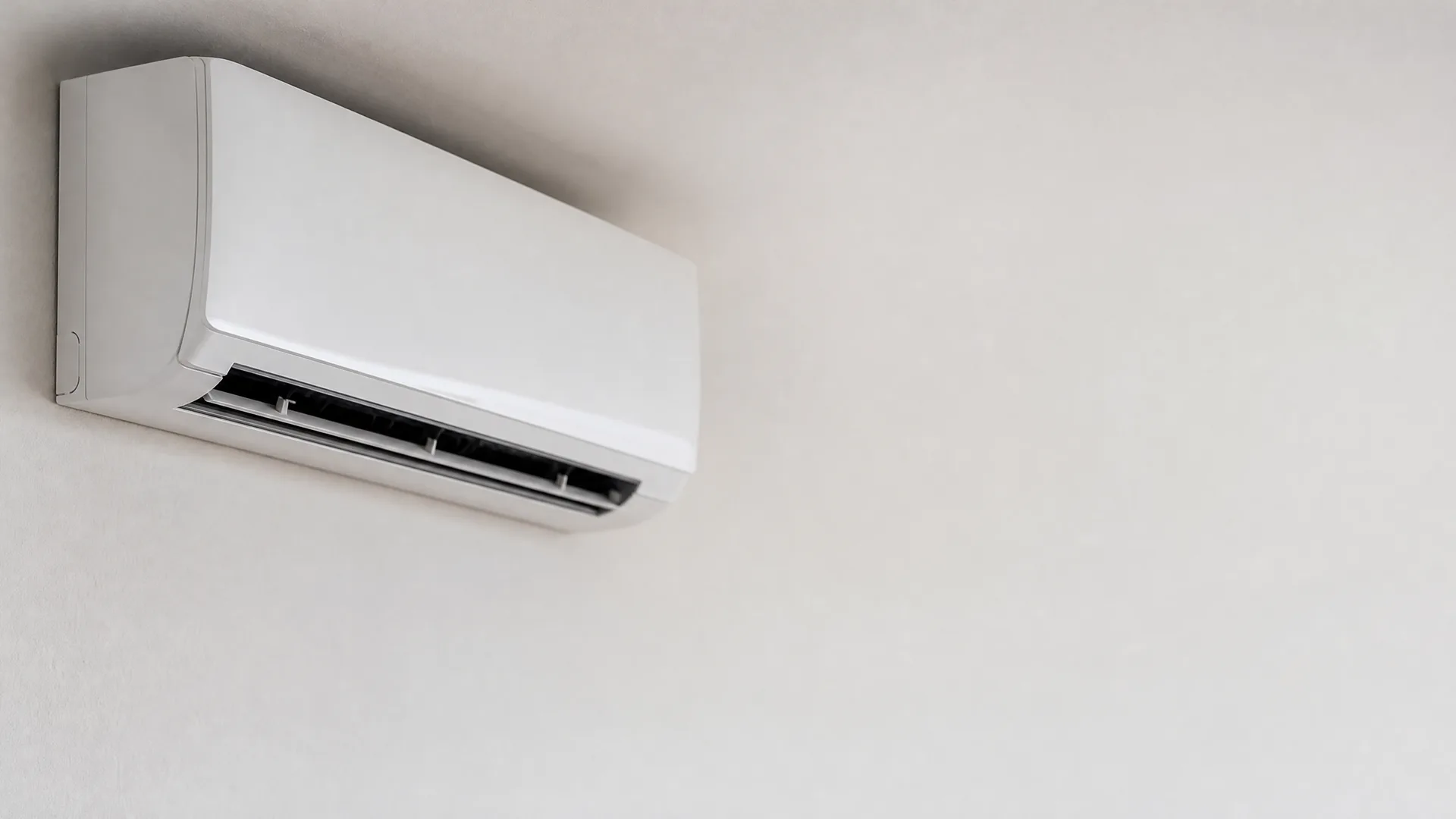
A white wall-mounted mini-split air conditioner indoor unit on a plain light-colored wall, with empty space to the right.

One zone split across rooms

A single-zone system has one thermostat, usually built into the indoor head itself or close by. It reads the air where it hangs, not the air down the hall. So the living room can sit right at the set point while a bedroom with its door shut stays five or six degrees warmer. The unit has no way to know that room is falling behind, because nothing is telling it so.

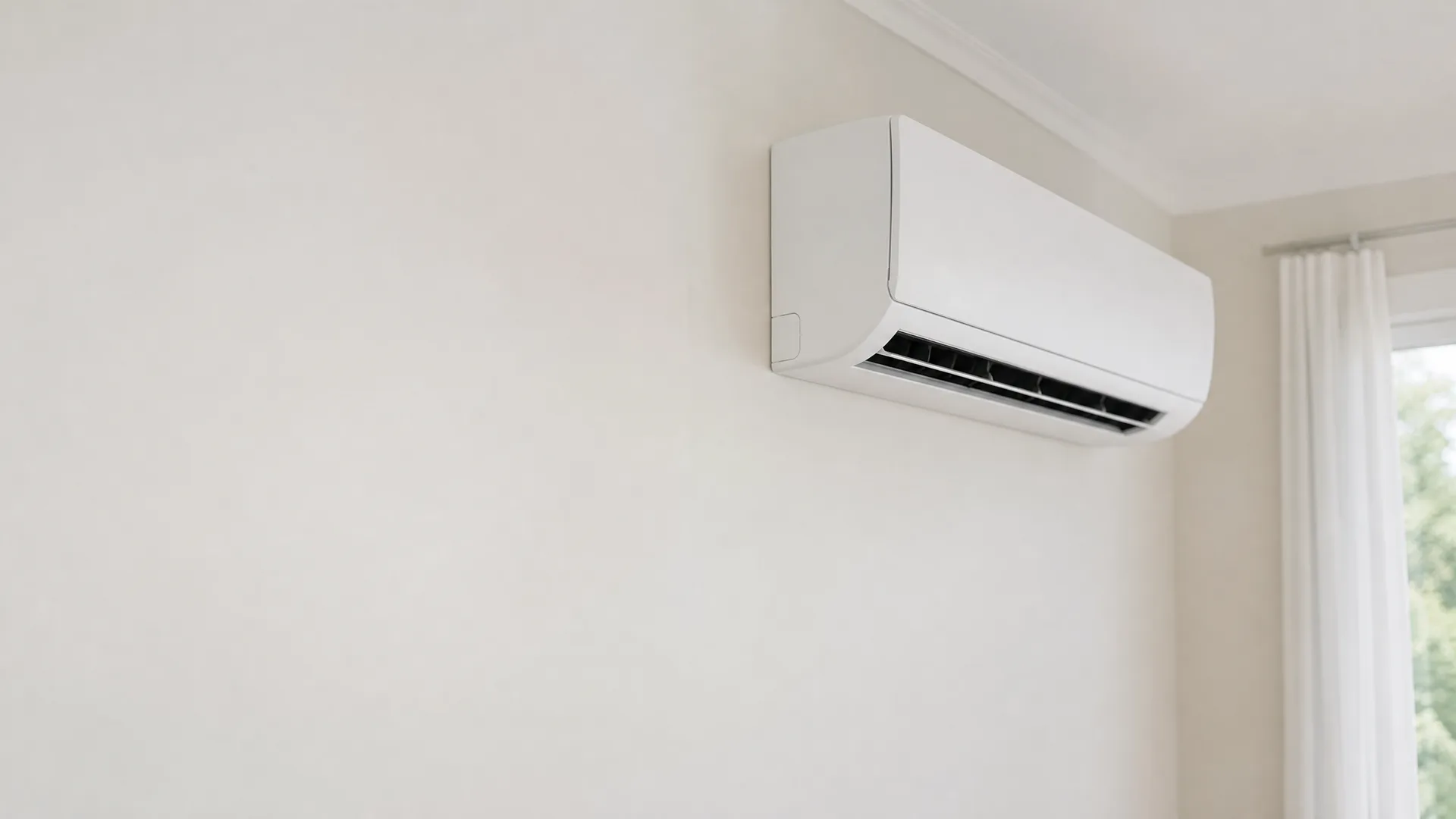
A white wall-mounted mini-split air conditioner on a plain light-colored interior wall, with a sheer white curtain and window with green foliage at the right edge.

Multiple heads, room by room

A multi-zone system gives each room its own indoor head and its own thermostat, all run off one outdoor condenser. The bedroom calls for cool air on its own schedule, separate from the kitchen or the living room. Each head only has to carry the space it's actually in, which is why a house with several heads holds an even temperature room to room through a Gulfport summer in a way one head alone usually can't.

Why does your bedroom stay warm when the living room is cold

You set the mini split to 72 and the room it hangs in gets there fast. Walk down the hall and the air changes. The bedroom door stays shut most of the day and the room behind it holds onto the heat, especially by late afternoon when the Gulfport sun has been on that side of the house for hours. You might notice the air back there feels thicker, not just warmer, and a box fan in the doorway only moves the problem around. Run it like that all summer and the damp air sitting in those far rooms gives mold and mildew a place to start, especially in closets and along baseboards where it's harder to notice until it's already there.

  1. An installer measures each room's square footage and window exposure.

  2. They size an indoor head in BTUs for every zone.

  3. A line set connects each head to the outdoor condenser.

  4. Each head runs off its own thermostat once installed.

A woman in a gray sweater and jeans stands in an open wood front door of a white stucco house while a man in a dark jacket walks toward her on the entry path.

So can one mini split cool your whole house

Depends on the house. A small, open one, where the kitchen runs into the living room and there are few doors to shut, one head can do it. A house with a hallway and separate bedrooms, one head keeps the room it's in comfortable and leaves the rest of the house to Gulfport's heat and humidity for six months straight. That's not a flaw in the equipment. It's a mismatch between what one head can reach and what the house asks of it.

If that's what you're finding, an installer can tell you fast whether the fix is another head, a bigger one, or a different layout entirely, because they'll actually measure the rooms instead of guessing. Once you send the request, that's someone else's job to sort out, not yours. You'll hear from a contractor who works on homes around Gulfport and Harrison County, and you can ask them straight whether your current setup was ever sized to cover the whole house.

Interior corner with sheer white curtains at a window, a brown upholstered sofa in the foreground, and a wooden multi-drawer cabinet holding a round ceramic vase with leafy branches.
A gray standing-seam metal roof with two stone chimneys in the foreground, framed by pine branches and moss-draped trees, overlooking misty forested hills and distant mountains under an overcast sky.

Find a mini split installation pro in Harrison County

Hand off the search

No fee to send it, and nothing to sign.

If your bedrooms have stayed warm all summer, another season of that isn't the only option. A contractor can look at what's on the wall now and tell you whether one more head would fix it, no guessing on your end.